NAIROBI, Kenya, May 15 – Barbados Ambassador for Climate Change and Climate Vulnerable Forum representative Elizabeth Thompson has proposed exploring mandatory financing and legally binding mechanisms to compel countries to accelerate methane emissions reduction, warning that voluntary climate commitments are failing to deliver the urgency required to avert catastrophic global warming.
Speaking virtually during the opening day of the two-day Regional Parliamentary Seminar on Methane Emissions and Climate Action in Nairobi, Thompson said climate vulnerable countries were increasingly bearing the brunt of a crisis they did little to create, even as global temperatures edge closer to dangerous thresholds.
“We are not surviving unchanged. Our economies are being devastated, our economies are being destroyed,” she said during the forum themed “African Parliaments for Climate Action: Reducing Methane, Promoting Development.”
Thompson, who also serves as Deputy President of the Senate of Barbados, argued that while carbon dioxide remains central to long-term climate stabilization efforts, methane reduction offers the fastest route to slowing warming in the short term because of the gas’s high heat-trapping capacity and relatively short atmospheric lifespan.
Methane is more than 80 times more potent than carbon dioxide over a 20-year period, though it remains in the atmosphere for a much shorter time, meaning cuts in emissions can quickly reduce warming.
“We have only one emergency option and that is pulling the emergency brake of methane,” she said.
The Barbados diplomat revealed that Barbados Prime Minister Mia Mottley and the Climate Vulnerable Forum were exploring the possibility of a legally binding framework to reduce and ultimately eliminate methane emissions, particularly in the fossil fuel sector.
“All efforts to date have been entirely voluntary,” Thompson said.
“Our experience has been that when there is some mandatory element, it is then that countries really do take action, both in terms of policy and programming.”
The Climate Vulnerable Forum (CVF) is an international partnership of 68 developing nations most threatened by climate change, representing 1.74 billion people.
Founded in 2009, it facilitates South-South cooperation to advocate for urgent climate action, aiming to limit global warming to and protect economies.
Thompson said financing gaps remained a major obstacle in methane reduction efforts and indicated that discussions were ongoing around mandatory financing mechanisms that could compel countries to support implementation and accelerate compliance.
“If what needs to be done cannot be done voluntarily, then this is where mandatory approaches will have to be considered,” she said, adding that maintaining the status quo was no longer an option.
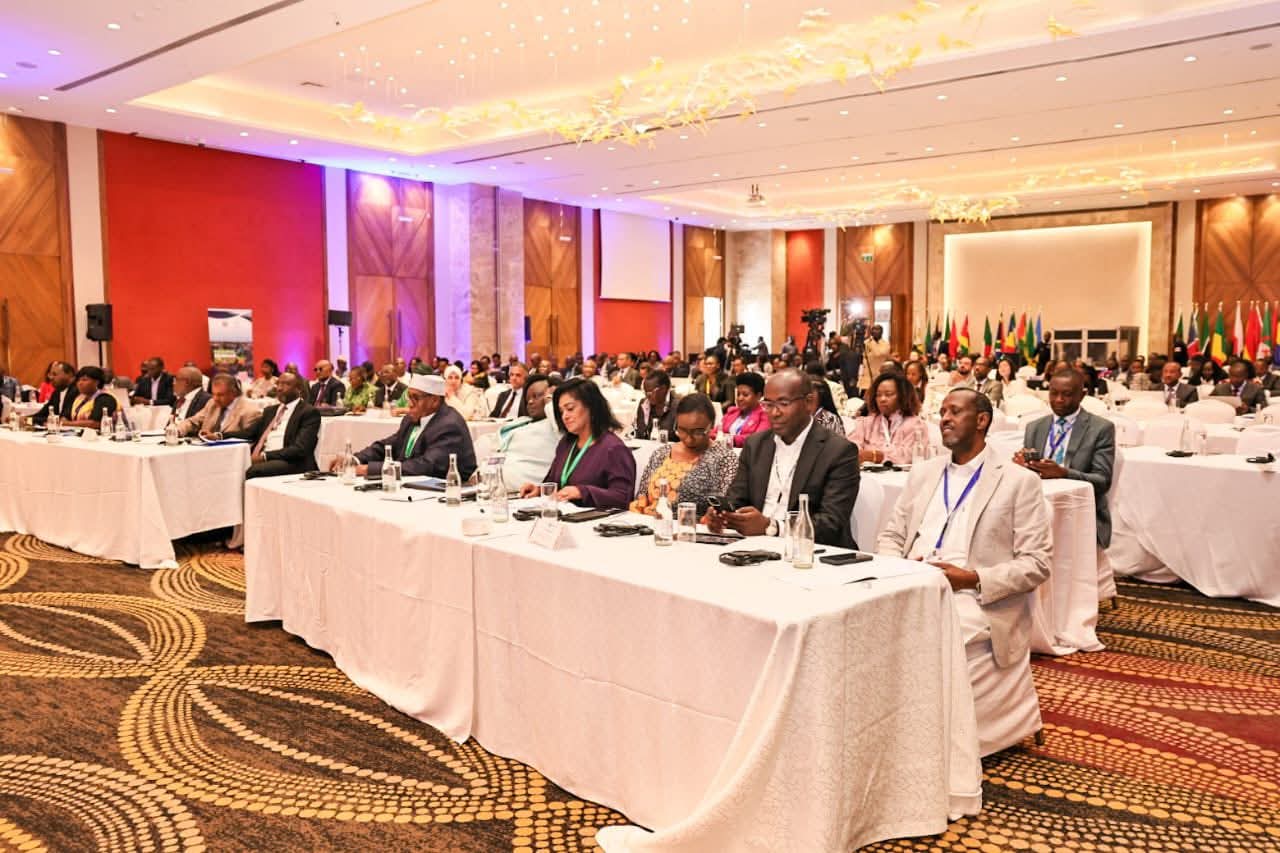
The seminar, hosted in Nairobi from May 15-16, has brought together parliamentary representatives from 21 African countries including Kenya, South Africa, Rwanda, Ethiopia, Uganda, Tanzania, Somalia, Mozambique and Gambia among others.
Development partners and climate institutions attending the meeting include United Nations Environment Programme, International Livestock Research Institute, Climate and Clean Air Coalition, United Nations Industrial Development Organization, Climate Parliament, World Agroforestry and Stockholm Environment Institute.
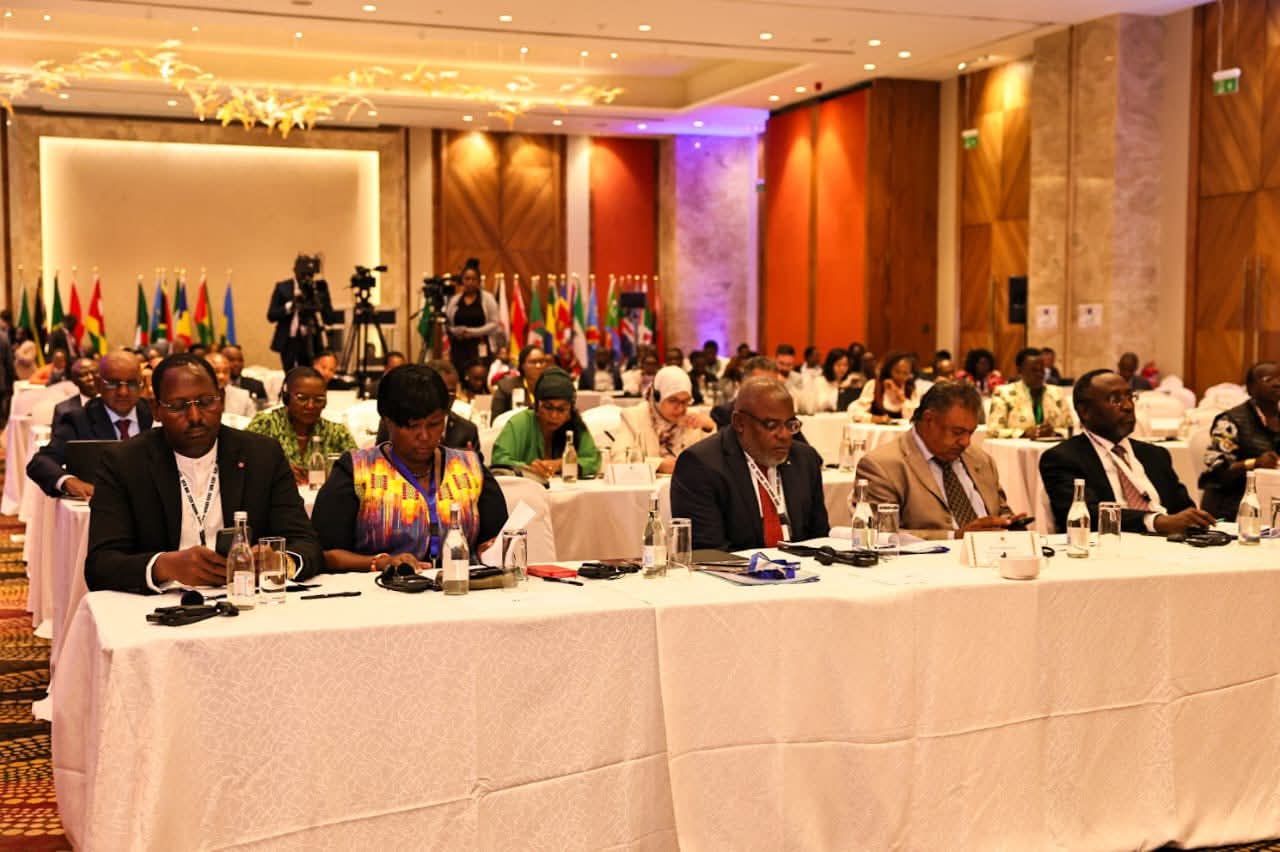
In his opening statement Senate Speaker Amason Kingi said methane reduction represented one of the fastest and most effective strategies available for slowing global warming in the near term.
According to the Senate Speaker, between 55 and 65 percent of Kenya’s methane emissions originate from livestock through enteric fermentation, while waste contributes between 15 and 25 percent.
“Methane matters because it directly drives climate change,” Kingi said.
“It contributes significantly to rising global temperatures and also accelerates the formation of ground-level ozone, which is harmful to human health and agricultural productivity.”
He urged African parliaments to support investments in improved livestock feeds, breeding systems, waste management technologies and biogas solutions to reduce emissions while enhancing food security and economic productivity.
The parliamentary seminar forms part of broader efforts to strengthen legislative oversight and climate governance across Africa by equipping lawmakers with tools to enact methane-focused policies, shape climate budgets and support implementation of the Global Methane Pledge launched during COP26.