NAIROBI, Kenya March 27 – Deputy President Kithure Kindiki has called for accelerated adoption of technology and stronger public-private partnerships to drive economic transformation in Kenya and across Africa.
Speaking on Friday at the Africa Green Industrialization Initiative (AGII) Forum in Nairobi, Kindiki said the continent’s future growth will hinge on people-centred transformation, technological investment and collaboration between governments and the private sector.
“The next 40 years will not be entirely defined by globalisation because that happened 40 years ago. It is now behind us. The coming years will be defined by drivers including focus on people-centred transformation, investment in technology and public-private partnerships,” he said.
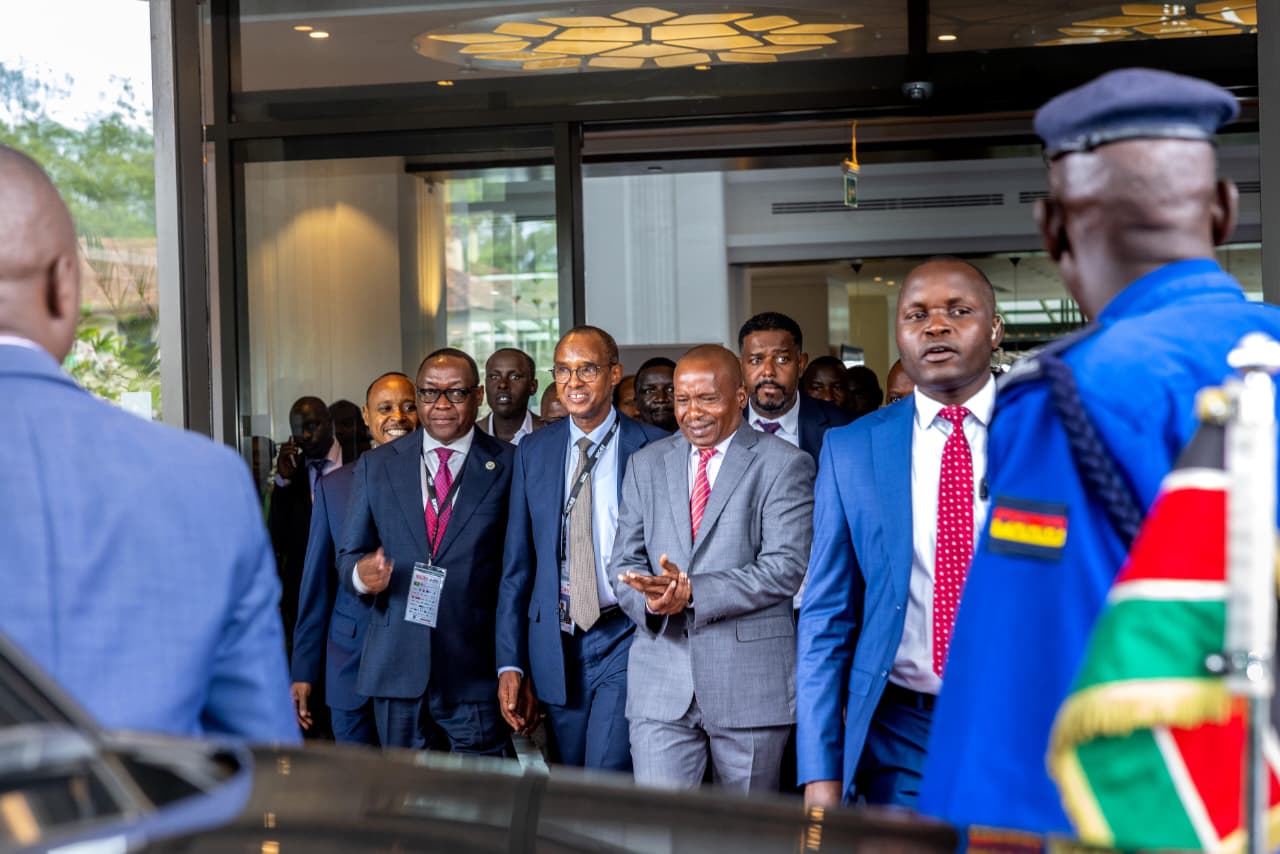
He emphasised the need to deploy technology across key sectors, particularly energy, to address current challenges and support sustainable development.
“We must adopt technologies that help us find solutions to today’s challenges and create a more sustainable world. Technological advancement must be realised across the board including in the energy sector,” he added.
The Deputy President noted that Africa still lags behind in the transition to clean and renewable energy despite its vast potential, revealing that the continent currently generates about 56 gigawatts of renewable energy—far below the 300 gigawatts needed to power industrial growth.
To bridge this gap, he said African governments must work closely with private sector players to unlock investment, innovation and expertise.
“Public sector-driven reforms alone are not going to be tenable in the future. We must work together with the private sector to transform the world. We must tap into the private sector’s ideas and capital,” he stated.
Kindiki highlighted Kenya’s progress in clean energy, noting that 93 percent of the country’s electricity is generated from renewable sources including geothermal, wind, hydro and solar.
“This places Kenya among the world’s leaders in clean energy. For investors seeking to build low-carbon manufacturing platforms, Kenya offers a compelling proposition,” he said.
During the forum, the Deputy President also launched the Institutional Clean Cooking Investment Sector Pack, Kenya’s National Cooking Transition Strategy and the Burn Manufacturing Electric Cookstove, initiatives aimed at expanding access to clean and sustainable cooking solutions.
“Nearly 600 million Africans still lack access to electricity, and close to one billion people lack access to clean cooking solutions. In Kenya, we are now deliberately repositioning clean cooking—not as a social or philanthropic intervention—but as a strategic green investment opportunity,” he said.
The AGII Forum brings together stakeholders to translate ideas into bankable opportunities and drive investments in clean energy, sustainable industries and green value chains.